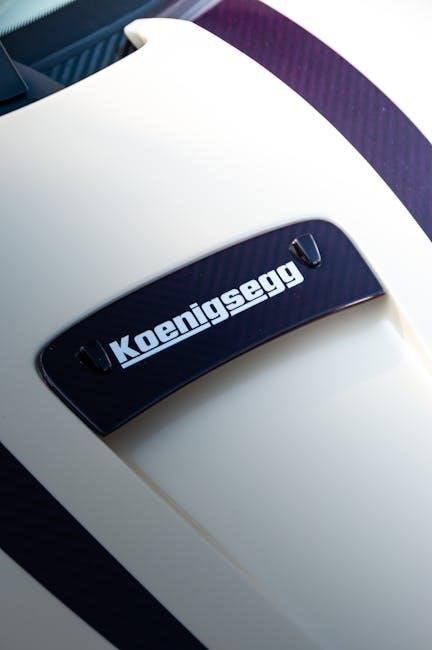
Carbon fiber sanding demands a progressive, multi-stage approach—coarse to fine, culminating in polishing—for optimal results. Automotive and aerospace
applications benefit from specialized techniques, ensuring both structural integrity and a flawless aesthetic finish. Understanding these nuances is crucial for success.
What is Carbon Fiber and Why Sand It?
Carbon fiber is a composite material renowned for its exceptional strength-to-weight ratio, widely utilized in high-performance industries like automotive, aerospace, and Formula 1 racing. It consists of carbon atoms bonded together in long chains, creating incredibly strong fibers embedded in a resin matrix.
Sanding carbon fiber isn’t about shaping the material itself, but rather refining the surface finish of the resin coating. Imperfections, such as resin buildup, surface irregularities, or the need for paint adhesion, necessitate sanding. Formula 1 brakes, for instance, utilize carbon fiber for superior braking, requiring precise surface preparation. Sanding prepares the surface for polishing or protective coatings, enhancing both aesthetics and durability. Careful sanding avoids fiber damage, preserving the material’s structural integrity.
Safety Precautions When Sanding Carbon Fiber
Sanding carbon fiber generates extremely fine dust particles that pose significant health risks. Always wear a properly fitted respirator to prevent inhalation, as these particles can cause respiratory irritation and long-term health problems. Eye protection, such as safety glasses or goggles, is crucial to shield against flying debris.
Work in a well-ventilated area, ideally with a dust collection system to minimize airborne particles. Skin contact should be avoided; wear gloves and protective clothing. Be mindful of static electricity buildup, especially in dry environments. Dispose of used sandpaper and dust responsibly, following local regulations. Prioritize a clean workspace to prevent contamination and ensure safe handling of materials. Remember, preventative measures are key to a healthy sanding process.
Tools and Materials Needed
Essential tools include varied sandpaper grits, sanding blocks/pads, dust collection systems, and respirators. Accurate CHN analyzers are also useful for composite analysis.
Sandpaper Grits: A Comprehensive Guide

Selecting the correct sandpaper grit is paramount for successful carbon fiber sanding. Begin with coarser grits – P80 to P180 – for initial material removal and shaping, carefully addressing imperfections. Progress to medium grits (P220-P320) to refine the surface and eliminate scratches left by the coarser abrasives.
For achieving a smooth finish, transition to fine grits, ranging from P400 to P600. Wet sanding, utilizing grits P800-P1200, is crucial for eliminating swirl marks and preparing the surface for polishing. Remember, gradual progression is key; skipping grits can lead to uneven results and potential damage to the carbon fiber weave. Always prioritize a light touch and consistent pressure throughout the sanding process;
Sanding Blocks and Pads
Utilizing sanding blocks and pads ensures even pressure distribution during carbon fiber sanding, minimizing the risk of localized damage or unevenness. Rigid sanding blocks are ideal for flat surfaces, maintaining a consistent plane and preventing contouring. For complex curves and intricate shapes, flexible sanding pads conform to the surface, providing optimal contact.
Foam sanding pads, available in varying densities, offer cushioning and further reduce the chance of gouging. When selecting a block or pad, consider its size relative to the workpiece; smaller tools provide greater control in tight spaces. Regularly inspect sanding surfaces for debris accumulation, ensuring a clean and effective sanding process. Proper tool selection significantly impacts the final finish quality.
Dust Collection Systems & Respirators

Carbon fiber sanding generates microscopic particles that pose significant health risks if inhaled. Therefore, robust dust collection systems and respiratory protection are non-negotiable. A high-efficiency particulate air (HEPA) filter-equipped vacuum connected to a sanding tool effectively captures airborne dust at the source, preventing its dispersal into the work environment.
Simultaneously, a properly fitted respirator—specifically an N95 or higher rating—shields the respiratory system from any remaining particles. Full-face respirators offer enhanced protection, safeguarding eyes and skin. Regular filter replacement is crucial for maintaining system efficacy. Prioritize a well-ventilated workspace alongside these safety measures, creating a healthier sanding experience.
The Sanding Process: A Step-by-Step Guide
Progressive sanding is key: begin with coarse grits, transitioning through medium and fine stages, and finishing with wet sanding for a pristine surface.
Stage 1: Coarse Sanding (P80-P180)
Initiating the sanding process requires P80-P180 grit sandpaper, effectively removing imperfections and establishing the initial shape. This stage tackles significant surface irregularities, mold lines, or excess resin. Employ a sanding block for even pressure distribution, preventing localized damage to the carbon fiber weave.
Consistent, linear sanding motions are vital; avoid circular patterns that can create swirl marks visible in later stages. Regularly inspect the surface, monitoring material removal and ensuring uniform abrasion. Dust extraction is paramount during coarse sanding, as it generates substantial particulate matter. Prioritize safety by wearing a respirator and eye protection. This foundational step prepares the surface for subsequent refinement.
Stage 2: Medium Sanding (P220-P320)
Following coarse sanding, transition to P220-P320 grit sandpaper to refine the surface and eliminate scratches introduced during the initial stage. This medium grit further smooths the carbon fiber, preparing it for finer abrasives. Maintain consistent, linear sanding motions, continuing to utilize a sanding block for even pressure.
Focus on removing the scratches from the previous stage while avoiding excessive material removal. Dust control remains crucial; employ a vacuum system or compressed air to maintain visibility and prevent contamination. Regularly assess the surface for remaining imperfections, adjusting pressure and technique as needed. This stage bridges the gap between aggressive material removal and delicate surface finishing.
Stage 3: Fine Sanding (P400-P600)
Progressing from medium sanding, utilize P400-P600 grit sandpaper to achieve a remarkably smooth surface, essential for high-quality finishes. This stage focuses on refining the surface, eliminating any remaining imperfections from prior stages, and preparing the carbon fiber for polishing or coating. Maintain consistent, even pressure with a sanding block, employing long, overlapping strokes.

Inspect frequently for swirl marks or uneven areas, adjusting technique accordingly. Dust extraction is paramount to ensure clear visibility and prevent re-deposition of abrasive particles. This fine sanding stage is critical for achieving a flawless base for subsequent finishing processes, maximizing the aesthetic appeal and protective qualities of the carbon fiber.
Stage 4: Wet Sanding (P800-P1200)
Transitioning to wet sanding with P800-P1200 grit sandpaper elevates surface refinement, preparing the carbon fiber for polishing. Submerge the sandpaper in clean water, or utilize a spray bottle to keep the surface lubricated during sanding. This minimizes dust and prevents clogging, resulting in a superior finish. Employ gentle, consistent pressure with a sanding block, maintaining overlapping strokes.
Wet sanding effectively removes fine scratches and imperfections introduced during previous stages, creating an ultra-smooth surface. Regularly rinse the part and sandpaper to remove abrasive debris. This stage is crucial for achieving a high-gloss finish, maximizing clarity and depth when applying protective coatings.
Techniques for Specific Carbon Fiber Applications
Specialized applications—automotive, Formula 1 brakes, and aerospace—require tailored sanding approaches, prioritizing material preservation and performance characteristics for optimal results.
Sanding Automotive Carbon Fiber Components
Automotive carbon fiber components demand meticulous sanding to achieve a show-quality finish. Begin with P180-P220 grit for initial shaping and defect removal, carefully following the component’s contours. Progress to P320-P400 for refining the surface, eliminating coarser scratches.
Nissan’s accelerated CFRP production techniques highlight the increasing use of these materials, necessitating efficient sanding processes. Wet sanding with P600-P800 then prepares the surface for polishing. Always prioritize even pressure and avoid localized aggressive sanding, which can compromise the structural integrity of the carbon fiber.
Inspect frequently for fiber damage and adjust grit accordingly. The goal is a smooth, consistent surface ready for clear coat application, enhancing the vehicle’s aesthetic appeal and aerodynamic performance. Proper dust extraction is vital throughout the process.
Sanding Formula 1 Carbon Fiber Brakes
Formula 1 carbon fiber brakes require exceptionally precise sanding due to their critical role in performance and safety. These brakes, originating from aerospace technology, demand a delicate touch. Begin with a very fine grit, around P400-P600, to avoid damaging the carbon fiber matrix.
Aggressive sanding is strictly prohibited, as it can compromise the brake’s structural integrity and heat dissipation capabilities. Wet sanding is highly recommended to minimize dust and maintain a consistent surface. Focus on smoothing the friction surface, ensuring uniform contact with the calipers.
Regular inspection is crucial to identify any fiber pull-out or surface imperfections. The aim is to achieve a perfectly flat and smooth surface, maximizing braking efficiency and consistency throughout a race. Precision and caution are paramount when working with these high-performance components.
Sanding Carbon Fiber for Aerospace Applications
Aerospace carbon fiber components necessitate the highest standards of sanding precision and quality control. Unlike automotive applications, aerospace parts often bear significant structural loads and operate in extreme conditions. Initial sanding typically begins with P320-P400 grit, progressing through finer grits like P600 and beyond.
Maintaining fiber integrity is paramount; avoid excessive pressure or aggressive techniques that could weaken the composite structure. Dust control is critical, requiring specialized vacuum systems and respirators to prevent contamination. Accurate carbon and hydrogen content analysis, using techniques like CHN analysis, verifies material consistency.
Surface finish requirements are stringent, often demanding polishing to a mirror-like sheen. Non-destructive testing methods, such as ultrasonic inspection, confirm the absence of defects introduced during sanding. Every step must be meticulously documented for traceability and compliance.
Troubleshooting Common Sanding Issues
Addressing sanding challenges involves preventing clogging, minimizing fiber damage, and eliminating swirl marks. Light sanding and resin-focused techniques are vital for optimal results.
Dealing with Clogging and Sandpaper Wear
Clogging during carbon fiber sanding is a frequent issue, stemming from the resin buildup inherent in the material. Regularly cleaning the sandpaper – using a rubber sanding block or compressed air – is paramount to maintaining its cutting efficiency. Frequent inspection is also key; worn sandpaper loses its abrasive quality, leading to ineffective sanding and potential surface imperfections.

Consider utilizing a vacuum system during the sanding process to immediately remove dust and debris, further minimizing clogging. When sandpaper becomes excessively worn, discard it and replace it with a fresh sheet of the appropriate grit. Don’t attempt to prolong its use, as this can lead to uneven sanding and damage to the carbon fiber surface. Selecting high-quality sandpaper designed for composite materials will also extend its lifespan and improve performance.
Preventing Damage to Carbon Fiber Fibers
Protecting carbon fiber’s structural integrity during sanding is vital; Aggressive sanding techniques can sever the fibers, weakening the component and compromising its performance. For structural parts, prioritize light sanding, focusing solely on the resin layer. Avoid excessive pressure and always move the sanding block in consistent, controlled motions.
Employing progressively finer grits minimizes fiber disruption. Inspect the surface frequently for any signs of fiber exposure. If fibers are becoming visible, immediately reduce the sanding pressure or switch to a higher grit. Remember that carbon fiber is strong, but susceptible to damage from improper sanding practices. Careful technique and appropriate abrasives are essential for preserving the material’s strength and longevity.
Addressing Swirl Marks and Imperfections
Swirl marks often appear during carbon fiber sanding, particularly with coarser grits or improper technique. To mitigate these, transition to finer grits gradually, ensuring each stage removes the imperfections from the previous one. Wet sanding with P800-P1200 grit can effectively level the surface and minimize swirl visibility.
Consistent, overlapping sanding patterns are crucial. Avoid circular motions, which exacerbate swirl marks. After sanding, polishing compounds are essential for restoring a high-gloss finish and eliminating any remaining imperfections. Utilize a polishing pad and appropriate compound, applying gentle pressure. Regular inspection under good lighting will reveal any lingering swirls, allowing for targeted correction and a flawless final result.

Finishing Touches After Sanding

Polishing carbon fiber reveals a high-gloss sheen, while protective coatings safeguard against UV damage and environmental factors, ensuring lasting beauty and durability.
Polishing Carbon Fiber for a High-Gloss Finish
Achieving a mirror-like finish on carbon fiber requires a methodical polishing process following sanding. Begin with a coarse polishing compound designed to remove fine scratches and swirl marks introduced during sanding stages. Apply this compound with a polishing pad attached to a rotary or dual-action polisher, working in overlapping passes.
Progress to medium and then fine polishing compounds, gradually refining the surface. Utilize clean microfiber cloths to remove residue between each stage. The goal is to build layers of gloss, eliminating imperfections.
For the ultimate shine, consider a final glaze application. This enhances depth and reflectivity. Always follow the manufacturer’s instructions for each polishing compound and ensure adequate ventilation during the process. Proper technique and patience are key to unlocking carbon fiber’s full aesthetic potential.
Applying Protective Coatings
Protecting your meticulously sanded and polished carbon fiber is paramount. Clear coats, such as polyurethane or epoxy resins, shield against UV damage, scratches, and environmental contaminants. Application methods vary; spraying generally yields the most uniform finish, while brushing or rolling is suitable for smaller areas.

Ensure the carbon fiber surface is impeccably clean and free of dust before applying any coating. Multiple thin coats are preferable to a single thick application, minimizing the risk of runs or imperfections. Allow each coat to fully cure according to the manufacturer’s specifications.
Consider ceramic coatings for enhanced durability and hydrophobic properties. These advanced coatings provide long-lasting protection and simplify cleaning. Proper surface preparation and application are crucial for optimal adhesion and performance.

Emerging Technologies in Carbon Fiber Manufacturing & Sanding
Innovations like electroless plating and Nissan’s accelerated CFRP production techniques are revolutionizing the industry, impacting sanding processes and material properties for enhanced efficiency.
Electroless Plating Techniques for CFRP
Electroless plating represents a significant advancement in carbon fiber reinforced polymer (CFRP) manufacturing, directly addressing challenges in achieving metallic surfaces on these traditionally non-metallic materials. Researchers have pioneered techniques to apply this plating directly to moldable intermediate materials used in CFRP production.
This innovative process enables the formation of a metal film exhibiting exceptional adhesion and uniformity, eliminating the need for traditional, often complex, surface preparation methods. The resulting metal coating enhances the CFRP’s conductivity, shielding capabilities, and provides a suitable base for further processing, potentially reducing the need for extensive sanding in certain applications.
Furthermore, this technique opens doors for integrating metallic components directly into CFRP structures, streamlining assembly and improving overall structural performance. The ability to create a robust metal-CFRP interface promises to unlock new design possibilities and manufacturing efficiencies.
Nissan’s Accelerated CFRP Production Techniques
Nissan Motor Co. has recently unveiled groundbreaking techniques designed to dramatically accelerate the production of automotive components utilizing carbon fiber reinforced plastics (CFRP). These advancements directly impact manufacturing timelines and efficiency, potentially reducing development lead times by as much as 50%.
Crucially, the new methods also boast an impressive reduction in molding cycle time, achieving an 80% improvement compared to conventional CFRP production processes. This acceleration stems from innovations in material handling and molding techniques, minimizing the need for lengthy curing and post-processing steps.
While not directly eliminating sanding, these techniques aim to produce higher-quality CFRP parts with fewer surface imperfections, thereby reducing the amount of sanding required to achieve a premium finish. This translates to lower labor costs and faster time-to-market for CFRP automotive components.