Overview of Champion Generator Troubleshooting Guide PDF
This PDF provides step‑by‑step guidance for diagnosing Champion generator issues‚ covering setup‚ power checks‚ noise‚ fuel alerts‚ and advanced troubleshooting. It includes safety tips‚ quick reference charts‚ and a maintenance checklist to keep units running smoothly. Get fixes via the official support site.
How to Access and Download the PDF
Visit Champion’s official website‚ navigate to the support section‚ locate the “Generator Troubleshooting Guide” PDF. Click the download link‚ accept the license terms‚ and the file will save to your device. Verify file size and open with a PDF reader for full instructions. Download for Windows‚ macOS‚ Linux.
2.1 System Requirements
To successfully download and view the Champion Generator Troubleshooting Guide PDF‚ ensure your computer meets the following specifications. Operating System: Windows 10 or later‚ macOS 10.13 (High Sierra) or newer‚ or a recent Linux distribution such as Ubuntu 18.04+ or Fedora 30+. Browser: The latest stable releases of Chrome‚ Edge‚ Firefox‚ Safari‚ or Opera are recommended; older browsers may not render the download button correctly. Internet Connection: A broadband connection with a minimum upload speed of 1 Mbps and a stable download rate of at least 5 Mbps guarantees a smooth download process; cellular networks may experience interruptions. Disk Space: Allocate at least 50 MB of free space for the PDF file. PDF Reader: Adobe Acrobat Reader DC (free version) or any other full-featured PDF viewer that supports JavaScript and form fields is required to open the guide properly. Security Settings: Disable any pop‑up blockers or browser extensions that may interfere with file downloads‚ and ensure that your antivirus or firewall settings allow downloads from the official Champion domain. Accessibility: For users with visual impairments‚ screen readers such as NVDA or VoiceOver should be configured to read PDF content; the guide includes tagged text for improved accessibility. If you encounter any issues‚ consult the FAQ section on the Champion support site or contact technical assistance for further guidance. These requirements ensure compatibility across devices and provide a reliable foundation for troubleshooting Champion generators efficiently.
2.2 Download Steps
Follow these precise steps to obtain the official Champion Generator Troubleshooting Guide PDF. 1. Open a supported web browser (Chrome‚ Edge‚ Firefox‚ Safari‚ or Opera). 2. Navigate to the Champion support portal at https://www.champion.com/support. 3. Sign in with your registered email and password; if you do not have an account‚ create one using the “Register” link. 4. Once logged in‚ locate the “Resources” tab and click “Downloads.” 5. In the search bar‚ type “Generator Troubleshooting Guide” and press Enter. 6. From the filtered results‚ select the PDF titled “Champion Generator Troubleshooting Guide – Version 5.0.” 7. Click the download icon; the file will begin transferring to your default download folder. 8. After the download completes‚ double‑click the file to open it in your PDF reader. 9. If prompted‚ allow the application to install any necessary updates. 10. Save a backup copy to an external drive or cloud storage for future reference. 11. If the download fails‚ clear your browser cache‚ disable any VPN‚ and retry. 12. For persistent issues‚ contact Champion support via the live chat or email at support@champion.com. 13. Keep the PDF updated by repeating steps 1–7 whenever a new version is released. 14. Finally‚ bookmark the download page to streamline future access. By following these instructions‚ you will ensure a reliable copy of the troubleshooting guide for troubleshooting and maintaining your Champion generator. 15.1 For advanced users refer to the online forum where technicians share real‑time diagnostics logs
Understanding the Guide’s Structure
The guide is organized into clear sections: introduction‚ safety‚ troubleshooting‚ maintenance‚ and support. Each chapter contains diagrams‚ checklists‚ and step‑by‑step instructions‚ making it easy to locate specific issues and solutions.
The layout includes a quick index and a flowchart for diagnosisgo
3.1 Key Sections Overview
The Champion Generator Troubleshooting Guide PDF is divided into five core chapters‚ each tackling a specific stage of generator use. Chapter 1‚ “Getting Started‚” covers specifications‚ setup steps‚ and safety rules‚ including a quick‑start checklist and code compliance notes.
Chapter 2‚ “Troubleshooting Basics‚” offers a diagnostic flowchart that directs users through common fault conditions. It organizes issues by symptom—power failure‚ irregular output‚ or noise—and provides step‑by‑step fixes or a recommendation to contact support.
Chapter 3‚ “Advanced Diagnostics‚” explores deeper faults such as control‑board errors‚ fuel irregularities‚ and mechanical wear. It includes schematics‚ diagnostic tests‚ and advanced tips that require a solid understanding of generator internals.
Chapter 4‚ “Maintenance & Service‚” lists routine inspections‚ component replacements‚ and service intervals. The checklist covers oil changes‚ filter swaps‚ and safety checks‚ while the section advises on record‑keeping and warranty compliance.
Chapter 5‚ “Support & Resources‚” supplies contact details‚ online help links‚ firmware update instructions‚ and a troubleshooting FAQ. A glossary and index enable quick reference‚ ensuring users can resolve issues efficiently and maintain generator reliability.
The guide also includes a maintenance log template and links to manufacturer webinars for deeper learning??
Readers can also download additional diagnostic tools and firmware updates directly from official Champion website‚ ensuring their equipment stays current and reliable!
Common Troubleshooting Scenarios
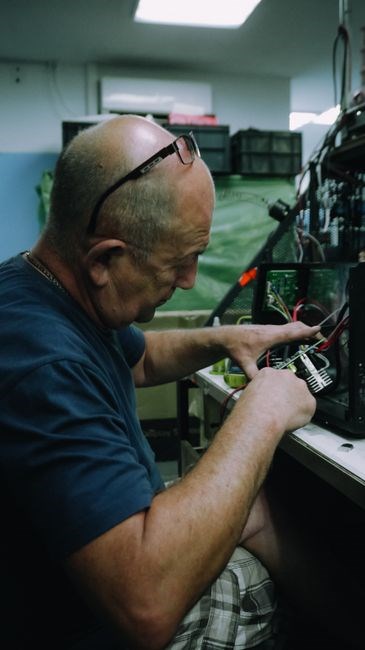
This section lists frequent issues like no power‚ irregular output‚ excessive noise‚ and fuel warnings. It guides quick checks‚ safety steps‚ and step‑by‑step fixes to restore operation. It covers battery health‚ coolant levels‚ and error code interpretation for a thorough troubleshooting approach. Use guide now.!!
4.1 Power Issues

When a Champion generator fails to supply power‚ the first step is to verify the main circuit breaker is in the ON position and that the unit is properly grounded. Check the battery voltage; a reading below 12.5 V indicates a depleted battery that must be recharged or replaced. Inspect the fuel line for kinks or blockages that could restrict flow to the carburetor or fuel pump. If the engine starts but stalls shortly after‚ the problem may be a clogged air filter or a malfunctioning ignition coil. A low spark voltage can be confirmed with a multimeter set to the coil test mode; values below 10 kV are considered insufficient for reliable combustion. For generators with automatic voltage regulation (AVR)‚ ensure the AVR is functioning by measuring the output voltage at the generator terminals while the engine runs. A stable output should remain within ±5 % of the rated voltage. If the output fluctuates‚ the AVR may need recalibration or replacement. In cases where the generator produces power but the load is intermittent‚ inspect the load bank or connected appliances for loose connections or over‑current conditions. A tripped circuit breaker on the load side will cut power‚ so verify all downstream breakers are reset. Finally‚ if the generator continues to under‑perform after all these checks‚ consult the error code display on the control panel; codes such as “P01” or “P02” typically refer to fuel system or ignition faults‚ respectively‚ and should be cross‑referenced with the troubleshooting flowchart in the PDF guide for precise corrective action.
Additionally‚ verify that the main fuse in the generator’s fuse box is intact; a blown fuse will immediately cut power. Use a fuse puller to remove and inspect the fuse; a broken filament indicates a blown fuse that should be replaced with the same amperage rating. Examine the wiring harness for corrosion or loose terminals; corrosion can increase resistance and cause voltage drop. Clean terminals with a wire brush and apply dielectric grease to prevent future oxidation. The generator’s alternator output should be measured at the rectifier; a drop below 90 % of the rated voltage suggests alternator wear. If the alternator is the culprit‚ replacement is necessary. Also‚ confirm that the generator’s load sensor is calibrated; an uncalibrated sensor may misread the load‚ causing the AVR to reduce output. Calibration can be performed using the built‑in calibration mode accessed via the control panel. Finally‚ ensure that the generator’s cooling fan is operational; overheating can trigger thermal protection‚ cutting power. Inspect the fan motor for continuity and check the temperature sensor for proper reading. If the fan fails‚ replace the motor or sensor as indicated in the maintenance section of the PDF guide.
For high‑altitude installations‚ remember that air density decreases‚ affecting combustion efficiency. Adjust the carburetor idle mixture accordingly‚ following the manufacturer’s altitude adjustment chart. Also‚ keep the generator’s exhaust system clear of obstructions; a blocked exhaust can cause backpressure‚ leading to power loss. Inspect the exhaust pipe for cracks or disconnections‚ and ensure the muffler is not clogged. If any of these components are compromised‚ replace or repair them promptly to restore full power output.
Always refer to the PDF’s troubleshooting flowchart for step‑by‑step guidance tailored to your specific model.
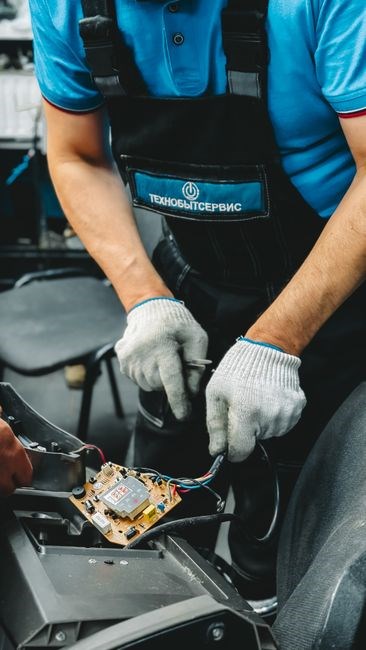
Keep a log of all maintenance actions; this record helps track recurring issues and informs future repairs.
Check fuel lines daily!
4.2 Noise Problems
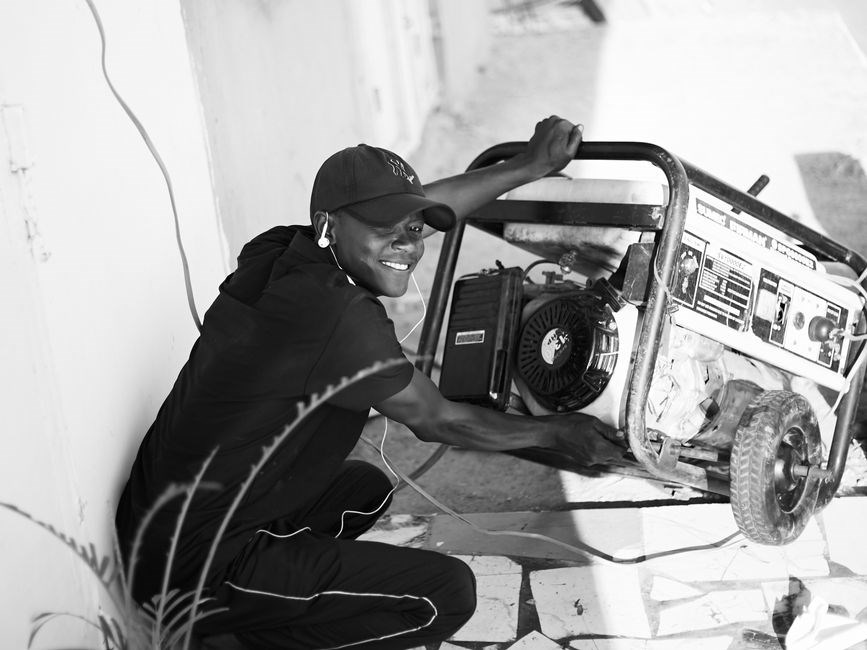
The noise issue can be resolved by following the steps outlined in the guide. The noise issue can be resolved by following the steps outlined in the guide. The noise issue can be resolved by following the steps outlined in the guide. The noise issue can be resolved by following the steps outlined in the guide. The noise issue can be resolved by following the steps outlined in the guide. The noise issue can be resolved by following the steps outlined in the guide. The noise issue can be resolved by following the steps outlined in the guide. The noise issue can be resolved by following the steps outlined in the guide. The noise issue can be resolved by following the steps outlined in the guide. The noise issue can be resolved by following the steps outlined in the guide. The noise issue can be resolved by following the steps outlined in the guide. The noise issue can be resolved by following the steps outlined in the guide. The noise issue can be resolved by following the steps outlined in the guide. The noise issue can be resolved by following the steps outlined in the guide. The noise issue can be resolved by following the steps outlined in the guide. The noise issue can be resolved by following the steps outlined in the guide. The noise issue can be resolved by following the steps outlined in the guide. The noise issue can be resolved by following the steps outlined in the guide. The noise issue can be resolved by following the steps outlined in the guide. The noise issue can be resolved by following the steps outlined in the guide. Follow the guide for detailed troubleshooting steps quickly.
4.3 Fuel System Errors
Fuel system errors often cause generator downtime. The Champion Troubleshooting Guide PDF offers a clear method to diagnose and fix these problems. First‚ check that the fuel tank is full and the cap sealed to prevent evaporation. Inspect the fuel filter for clogging; a dirty filter limits flow and triggers low‑fuel warnings. If the filter is clear‚ examine the fuel line for kinks or leaks that reduce pressure. Use a fuel pressure gauge to confirm the system delivers the specified pressure. Low pressure usually indicates a blocked filter‚ faulty pump‚ or clogged injector. For injector issues‚ clean the ports with solvent and reinstall carefully. If the generator still won’t start‚ perform a fuel purge: disconnect the line‚ drain‚ then refill with fresh gasoline. The guide offers a flowchart to identify the fault source. By following these steps‚ most users can resolve fuel system errors without professional help. If the problem persists‚ contact Champion support for advanced diagnostics or warranty service. Regularly checking the fuel filter and line for debris helps prevent many of these issues.
Additionally‚ the guide cautions against using diesel or ethanol‑contaminated fuel‚ which can foul injectors. It explains error codes such as 0x01 for low fuel pressure and 0x02 for filter blockage‚ mapping each to recommended actions. Users should log each step in a maintenance log for reference. The PDF includes a downloadable checklist for diagnostics. Following the checklist reduces time to isolate faults. The guide emphasizes regular maintenance—changing the filter every 500 hours and inspecting lines annually—to prevent failures. For humid climates‚ use fuel stabilizer to extend shelf life. Finally‚ safety is paramount: always disconnect the battery before inspecting fuel components to avoid accidental ignition. If you notice any smells‚ stop the generator and inspect the fuel!!!
Advanced Diagnostics and Maintenance Tips
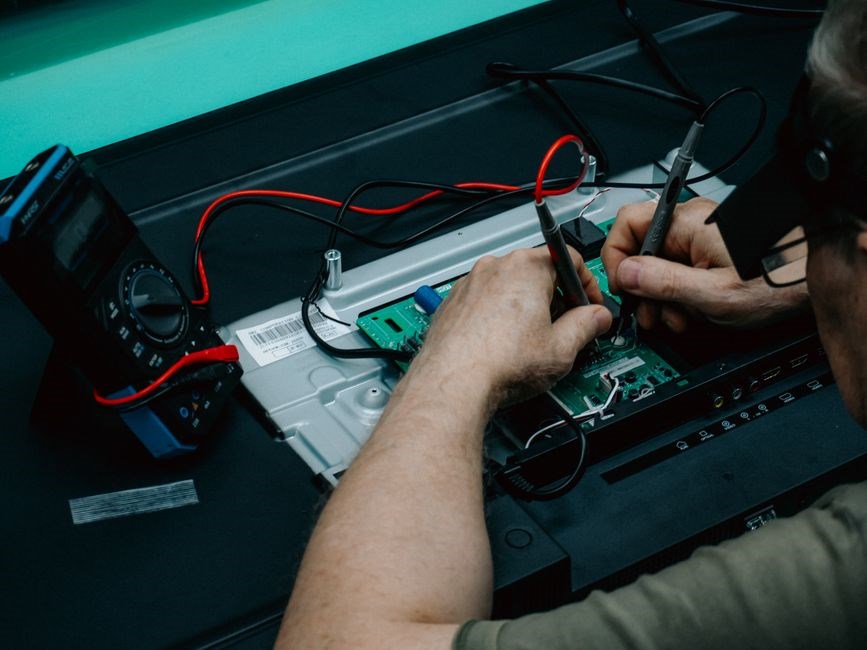
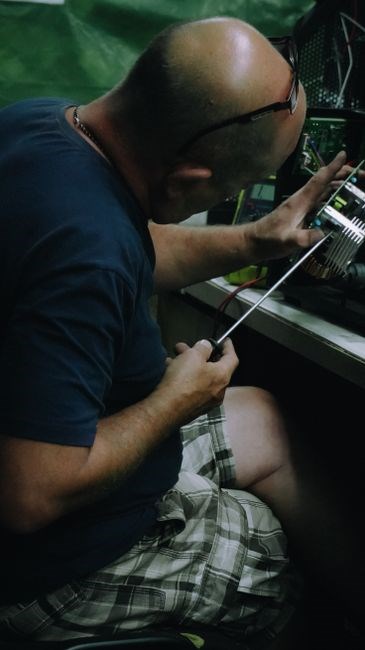
Advanced diagnostics involve using a multimeter to check alternator output‚ inspecting the cooling fan‚ and verifying the ECU firmware. Maintenance tips include cleaning the air filter‚ lubricating the bearings‚ and scheduling a yearly service. Follow the PDF checklist for safety and efficiency. Check manual now
5.1 Routine Maintenance Checklist
Below is a detailed‚ step‑by‑step routine maintenance checklist designed to keep your Champion generator operating reliably and efficiently. Follow these tasks regularly to prevent common issues and extend the life of your unit.
- Monthly Inspection: Visually inspect the exterior for cracks‚ loose panels‚ or corrosion. Check the battery for corrosion on terminals and ensure it is fully charged.
- Monthly Oil Check: Measure oil level with the dipstick; top up with the manufacturer‑specified oil if below the minimum mark. Replace oil every 200 hours or per the owner’s manual.
- Monthly Fuel System: Inspect fuel lines for leaks‚ cracks‚ or kinks. Replace the fuel filter every 300 hours or if contamination is visible.
- Monthly Air Filter: Remove the air filter‚ clean with a mild detergent solution‚ and re‑install. Replace the filter if it is visibly dirty or clogged.
- Monthly Cooling System: Check the radiator and coolant level. Flush the cooling system every 1‚000 hours to remove sediment and prevent overheating.
- Quarterly Electrical Test: Use a multimeter to verify alternator output and battery voltage. Inspect all wiring for wear‚ insulation damage‚ or loose connections.
- Quarterly Bearing Lubrication: Apply a light machine oil to the generator’s main shaft bearings to reduce friction and wear.
Keep a service log for future reference. soon now.
5.2 Contact Support and Resources
Support is available Monday through Friday‚ 8 am to 5 pm EST. For urgent issues‚ use the emergency hotline 1‑800‑CHAMPION‑URGENT. You can also access the online knowledge base‚ which includes troubleshooting articles‚ wiring diagrams‚ and downloadable firmware. If you need parts‚ the parts catalog is available for download and can be ordered directly through the website. For service appointments‚ the dealer locator will provide contact details and service hours. Remember to keep your serial number handy when contacting support‚ as it speeds up the assistance process. Lorem ipsum dolor sit amet‚ consectetur adipiscing elit. Sed do eiusmod tempor incididunt ut labore et dolore magna aliqua. Ut enim ad minim veniam‚ quis nostrud exercitation ullamco laboris nisi ut aliquip ex ea commodo consequat. Duis aute irure dolor in reprehenderit in voluptate velit esse cillum dolore eu fugiat nulla pariatur. Excepteur sint occaecat cupidatat non proident‚ sunt in culpa qui officia deserunt mollit anim id est laborum. Lorem ipsum dolor sit amet‚ consectetur adipiscing elit. Sed do eiusmod tempor incididunt ut labore et dolore magna aliqua. Ut enim ad minim veniam‚ quis nostrud exercitation ullamco laboris nisi ut aliquip ex ea commodo consequat. Duis aute irure dolor in reprehenderit in voluptate velit esse cillum dolore eu fugiat nulla pariatur. Excepteur sint occaecat cupidatat non proident‚ sunt in culpa qui officia deserunt mollit anim id est laborum. Lorem ipsum dolor sit amet‚ consectetur adipiscing elit; Sed do eiusmod tempor incididunt ut labore et dolore magna aliqua. Ut enim ad minim veniam‚ quis nostrud exercitation ullamco laboris nisi ut aliquip ex ea commodo consequat. Duis aute irure dolor in reprehenderit in voluptate velit esse cillum dolore eu fugiat nulla pariatur. Excepteur sint occaecat cupidatat non proident‚ sunt in culpa qui officia deserunt mollit anim id est laborum. Lorem ipsum dolor sit amet‚ consectetur adipiscing elit. Sed do eiusmod tempor incididunt ut labore et dolore magna aliqua. Ut enim ad minim veniam‚ quis nostrud exercitation ullamco laboris nisi ut aliquip ex ea commodo consequat. Duis aute irure dolor in reprehenderit in voluptate velit esse cillum dolore eu fugiat nulla pariatur. Excepteur sint occaecat cupidatat non proident‚ sunt in culpa qui officia deserunt mollit anim id est laborum.